Table Of Content

It can be rough, smooth, hard, or soft to the touch or simply appear that way. Color provides the most psychological aspect of design, as it's how most humans see reality. In design, color tells a story, sets the mood, and adds character and personality.
Pattern
Unlike fine art, commercial artists who work on brands and design firms must follow these guidelines and understand its terms, as they set a standard for correctness. Variety is a vital part of design that aims to arouse visual interest. Designers typically use it to counteract excessive unity — when things are too monotonous and bland. An uninteresting design will often fail to communicate which elements are more important and deserve a person’s attention. Thirdly, a lack of white space can take its toll on the eyes and brain. Let’s go back to Arngren and Apple for a second — imagine you’re looking for something on the first site; a microwave oven, for instance.
Spacing/Negative Space
So it’s wise to have a soft touch when repeating visual elements. Like a catchy song, rhythm in design gives it a harmonious feel. This is often achieved through the repetition of design elements like color, shape, or texture.
Pro Designers
You can use elements of a different size to create a focal point or highlight the importance. Simply put, while contrast often creates emphasis, it's not exclusively the case. A great example of emphasis made without stark contrast is underlined text. Allows for content and ad personalization across Google services based on user behavior. We can also use value to simulate volume in 2D, for instance, by using lighter values where the light hits the object and darker values for shadows. Have an easy-to-scan visual hierarchy that reflects users’ needs, with commonly used items handily available.
What is harmony in visual design?
The contrasting color scheme of this corporate annual report creates rhythm. Notice how the color scheme flip-flops depending on the page. Odd-numbered pages feature one color scheme, while even-numbered pages feature another. The right font pairing can create a contrast that elevates your design, guiding the viewer's eye through the content. Framing refers to how the primary subject of a design is placed in relation to other elements on the page.
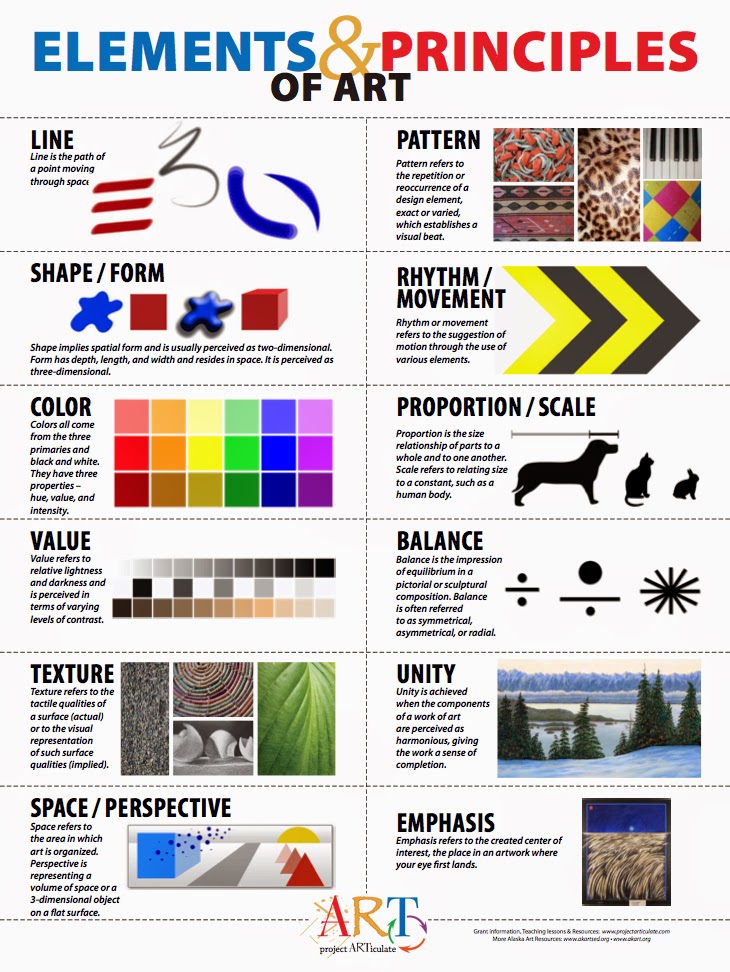
While there’s plenty of debate over how many principles of design are out there (and even what they are), there are 12 that appear regularly on the list of principles. There are 12 principles of design that are commonly mentioned. Explained in the infographic below, include, balance, emphasis, contrast, proportion, hierarchy, repetition, rhythm, pattern, white space, movement, variety, and unity. Like many kinds of art, graphic design has its basic principles and elements. The principles of design are the rules a designer follows to have a composition that’s just right. They help you create artwork that’s not only beautiful and eye-catching but also correct in ways professionals can see and viewers feel.
Alberto Alessi's 6 Principles of Good Design - Global Design News
Alberto Alessi's 6 Principles of Good Design.
Posted: Thu, 11 Feb 2021 18:40:06 GMT [source]
One can also use negative spaces innovatively to say more while saying nothing. White space is also called negative space, as it isn’t always white. It is defined as the blank space deliberately left between objects in a design for aesthetic purposes. In a way, proportions are similar to balance, but it is measured more from the human eye than with guidelines and grids on design software. Proportions are realistic estimates and weights you apply to your content.
Contrast is also a very important aspect of creating accessible designs. Insufficient contrast can make text content in particular very difficult to read, especially for people with visual impairments. This kind of balance is bolder, can bring interest and surprise to a design.
Trending Guides
Design principles are a set of guidelines that help designers create more aesthetically pleasing and functional designs. Design principles are usually not written down formally, but instead, they are learned through observation and practice. This is because there is no one set of design principles that applies to all designs.
This blog post is a comprehensive guide to understanding and applying the principles of design for effective visual compositions. It emphasizes the necessity of learning fundamental design principles for creating harmonious and aesthetically pleasing designs. Each principle is explained with a graphic to enhance understanding. The post also references Dieter Rams's ten principles of good design and other notable design principles. Emphasis in design principles refers to intentionally highlighting specific elements to draw attention and create a focal point.
Although they are not the core elements, they can not be ignored. Before that, we have to know what is the design element that can help us to better understand the design principles. It's when every design element and principle comes together as one, creating harmonious flow and tranquility.
Many beginning designers feel the need to pack every pixel with some type of “design” and overlook the value of white space. But white space serves many important purposes in a design, foremost being giving elements of the design room to breathe. Negative space can also help highlight specific content or specific parts of a design. Search for “principles of design” and Google will return results for articles that include from five to more than a dozen individual visual design principles.


No comments:
Post a Comment