Table Of Content

It can be both tactile, something you can physically touch, or visual, an illusion created through artistic techniques. Incorporating texture into a design adds richness and complexity, making it more visually engaging and inviting. Designers can use texture to evoke specific feelings or themes, such as using a rough texture for a rustic, earthy vibe or a smooth texture for a modern, sleek look. Texture plays a crucial role in graphic design as it adds depth and visual interest to a design. It can be used to emphasize certain elements, create contrast, or add a tactile dimension to a design.
Elevated Elements - Kitchen and Bath Design News
Elevated Elements.
Posted: Fri, 27 Jan 2023 08:00:00 GMT [source]
What is the relationship between texture and color in design?
Color provides the most psychological aspect of design, as it's how most humans see reality. In design, color tells a story, sets the mood, and adds character and personality. You'll learn each visual element from point to texture and how they contribute to creating a visual composition. When points or objects align in a certain way that the brain notices a pattern, you create implied lines. Designers pay attention to their line when designing because they know it can create visual interest. Texture helps bring a painting or sculpture to life, create atmosphere and dialogue between the creator and their audience.
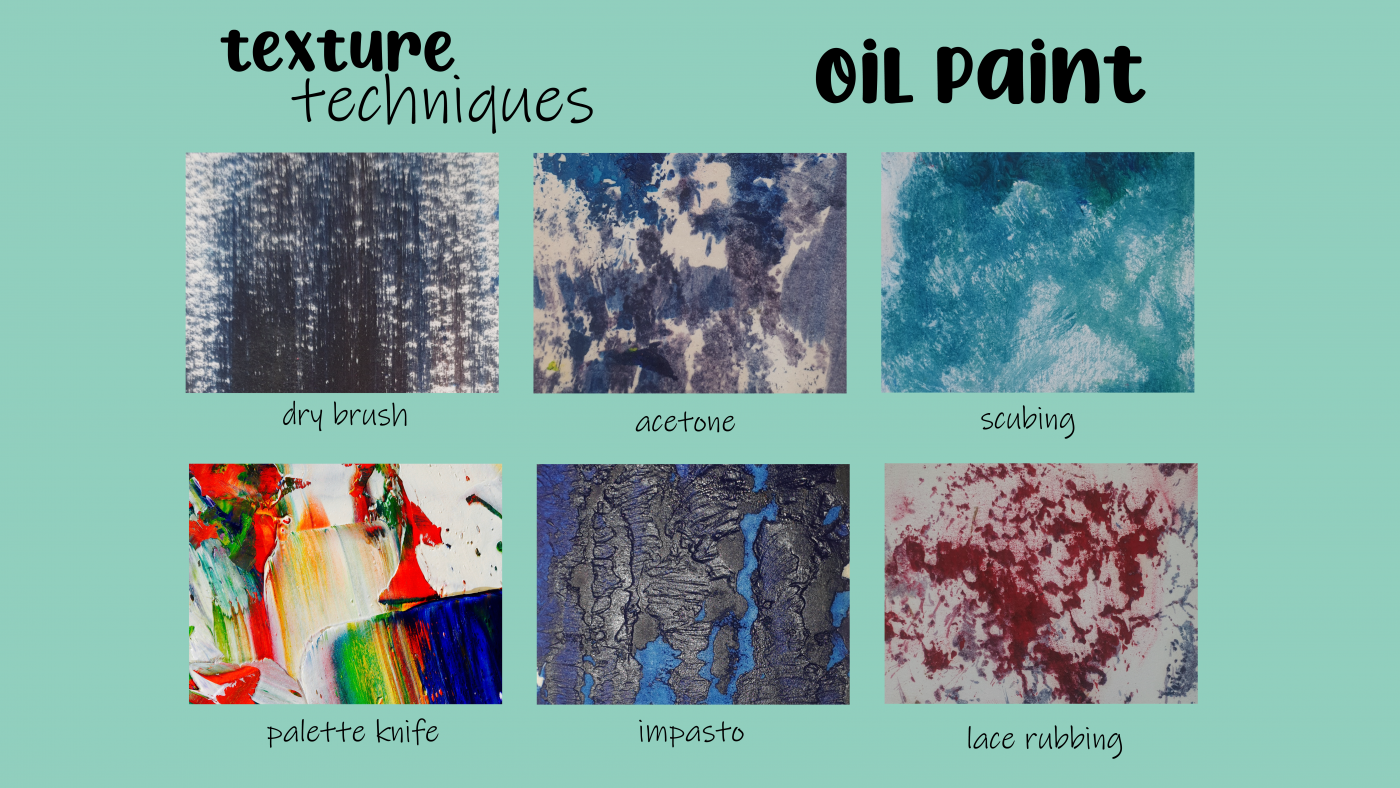
What are the different types of textures in design?
The strange lines in the background represent random pieces of masking tape stuck to whatever that was (I don’t even remember). It’s one of my favorite techniques, giving a soft, sculptural feel to a drawing. I also can’t sing enough praises for kneaded erasers; I simply won’t use any other kind since discovering them years ago during my first art degree program. The elements of design go side by side with the principles of design. Design principles are the rules that guide the use of design elements to help designers create masterpieces.
Types, Examples & Tips: All About Grids in Graphic Design

And all these different textures can help support the goal look–and–feel you’re after. In UI and Web Design, textures are purely visual and suggest Texture via your sense of vision. But in physical Product Design, textures are physical, tactile, and also detectible through your sense of touch. Typography also creates a visual hierarchy in a design, by telling the reader where to start and where to go. You can do that by choosing different characteristics for your text, such as size, color, height, and weight. Cyan, magenta, yellow, black (CMYK) are the four basic colors used in printing, so if your design is going to have a digital version, it’s the best option for it.
Elements and Principles of Design in Conclusion
Now that we've explored the fundamental elements of design, you might wonder why it's essential to grasp these concepts. Take the design elements quiz to learn more about the usage of lines, dots, and planes in composition. A line is a basic design element consisting of two connected points. In geometry, this element would be called a line segment, but in design, we just call it a line. Lines can be used on their own or to form other shapes, such as a circle, or combined together to form shapes like a square or triangle. In this article, we will explore 7 basic design elements and discover the primary goals behind their use.
Color is one of the most complex elements of design to master and possibly the hardest to comprehend. By using color systems, you can give your graphic design the right feel. Texture refers to how a surface feels or is perceived to feel when touched. It is one of the primary elements of design used to convey an object's appearance or feel. For example, shapes like triangles direct attention to unique features or specific pieces of content when used in graphic design.
Texture is one of the most underrated elements in graphic design. Scroll to find 13 ways to create it in Photoshop!
In design, texture can be used to create visual interest, add depth, and make designs more realistic and alive. Space refers to the area between, around, and even inside design elements. Negative space or white space, on the other hand, refers to the area surrounding the element.
Texture and Pattern – in Theory
Using texture in design we direct users to comprehend works of art and designs by visualizing the feels when touched. Know that you needn’t get so detailed as to draw every single hair on it. Although some people like to get into such painstaking detail, it simply isn’t necessary to get the point across.
Lines can be straight or curved, thick or thin, and are necessary for creating shapes. Space is an important design element used in creating 2D designs and ensuring the understanding of the design. In web design, you can use white space for advertising to avoid complex visuals for a more beautiful design. For example, having enough negative space surrounding the text makes it easier to read, and strategically placing negative space around basic elements helps highlight and establish focal points.
You can do a little of the same with the flat ends of the cylinder versus the curved sides. (You can read about atmospheric perspective on this page about Shape in Simple Space, around the 12th paragraph, between the two colorful flat shape graphics that look exactly alike). Understand also that these two elements, texture and pattern, can also both exist together at the same time. An example of this would be a piece of velvet that has been printed with a floral design, or a nubby rug with different colors woven in to make a geometric pattern.
To choose the right one for your art, you need to first analyze where it’ll be used. You need graphics everywhere from your website to your social media pages and even outdoor billboards. The sculpture is made with extreme skill, expertise, and dedication. Visually one would assume it to be a soft plush pillow but it is crafted using marble. We can determine differences in feels between the first and the second image simply by looking at them. If you felt tempted to touch the baby horse (above) get an eyeful of more textures on Maria’s Pinboard.


No comments:
Post a Comment